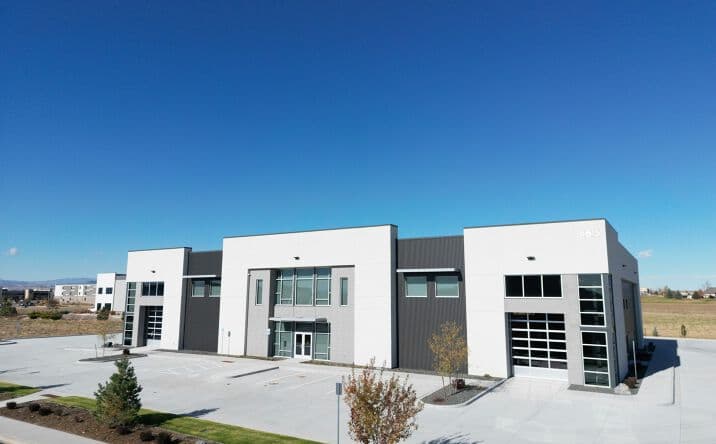
Property overview
Industrial and flex properties in Austin, TX have emerged as premier replacement assets for 1031 exchanges, driven by e-commerce growth, reshoring trends, and the expansion of logistics networks across Central Texas. These properties range from large-scale distribution centers to smaller flex spaces that combine warehouse and office functionality. The region's strategic location along major interstate corridors and proximity to major population centers make industrial assets particularly compelling for exchange investors seeking long-term appreciation and stable tenant demand.
Why investors choose this type
E-Commerce Demand Tailwinds
Strong tenant demand fueled by e-commerce logistics and supply chain expansion in Central Texas continues to drive occupancy and rent growth. Last-mile distribution and fulfillment centers are particularly sought after as consumer expectations for rapid delivery accelerate.
Low Maintenance Costs
Industrial buildings feature simpler mechanical systems than office or retail properties, resulting in below-average maintenance and capital expenditure requirements. Concrete tilt-wall construction and open floor plans reduce ongoing repair costs for investors.
Built-In Rent Escalations
Long-term industrial leases typically include annual rent escalations of 2% to 3%, providing built-in inflation protection that compounds over the lease term. These contractual increases ensure income keeps pace with rising costs.
Supply-Constrained Appreciation
Growing scarcity of developable industrial land in core Austin submarkets is driving asset values higher. Zoning restrictions and infrastructure requirements create significant barriers to new supply, benefiting existing property owners.
Common questions
Why are industrial properties popular for 1031 exchanges in Austin?
Industrial properties benefit from strong macro tailwinds including e-commerce growth, supply chain diversification, and limited new supply in established submarkets. For 1031 exchange investors, they offer stable cash flow, low tenant turnover, and below-average capital expenditure requirements.
What is the difference between industrial and flex space?
Traditional industrial space is dedicated to warehousing, distribution, or manufacturing. Flex space combines warehouse or light industrial functionality with a meaningful office component, typically 20% to 50% of the building. Both qualify as like-kind replacement properties in a 1031 exchange.
Can I use a reverse exchange to acquire an industrial property in Austin?
Yes. A reverse exchange allows you to acquire the replacement property before selling your relinquished property. This strategy is useful in competitive industrial markets where desirable assets move quickly and waiting for your sale to close could mean losing the opportunity.
Speak with our desk